How does music made in the Hudson Valley sound different from music made in California?
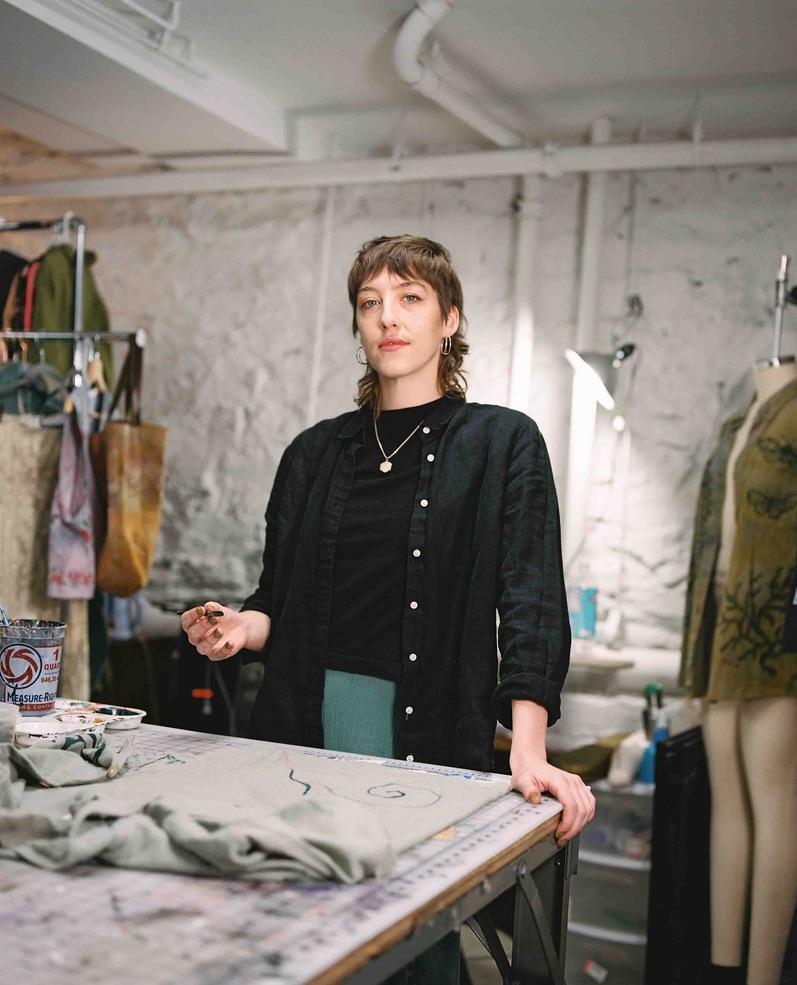
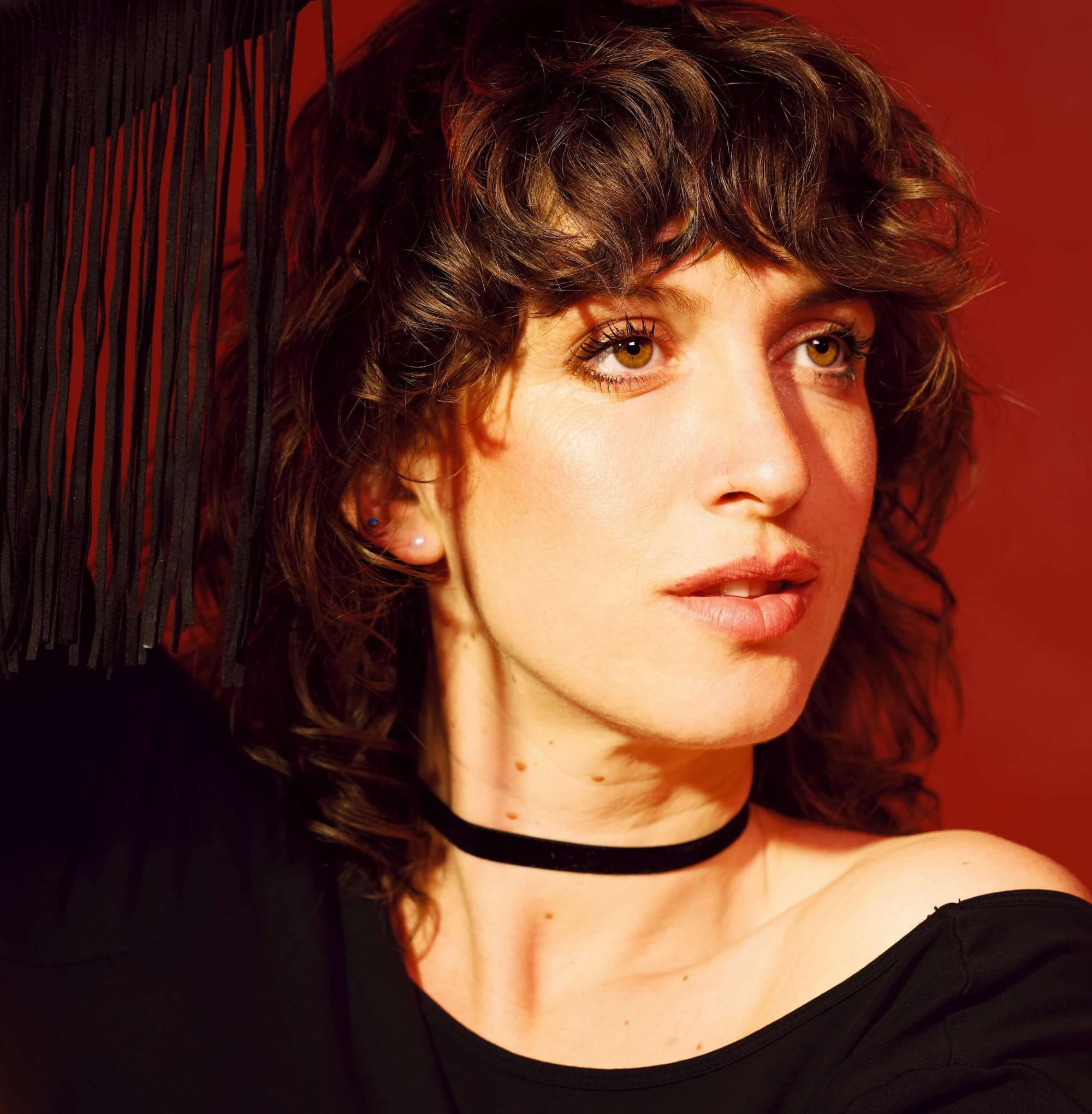
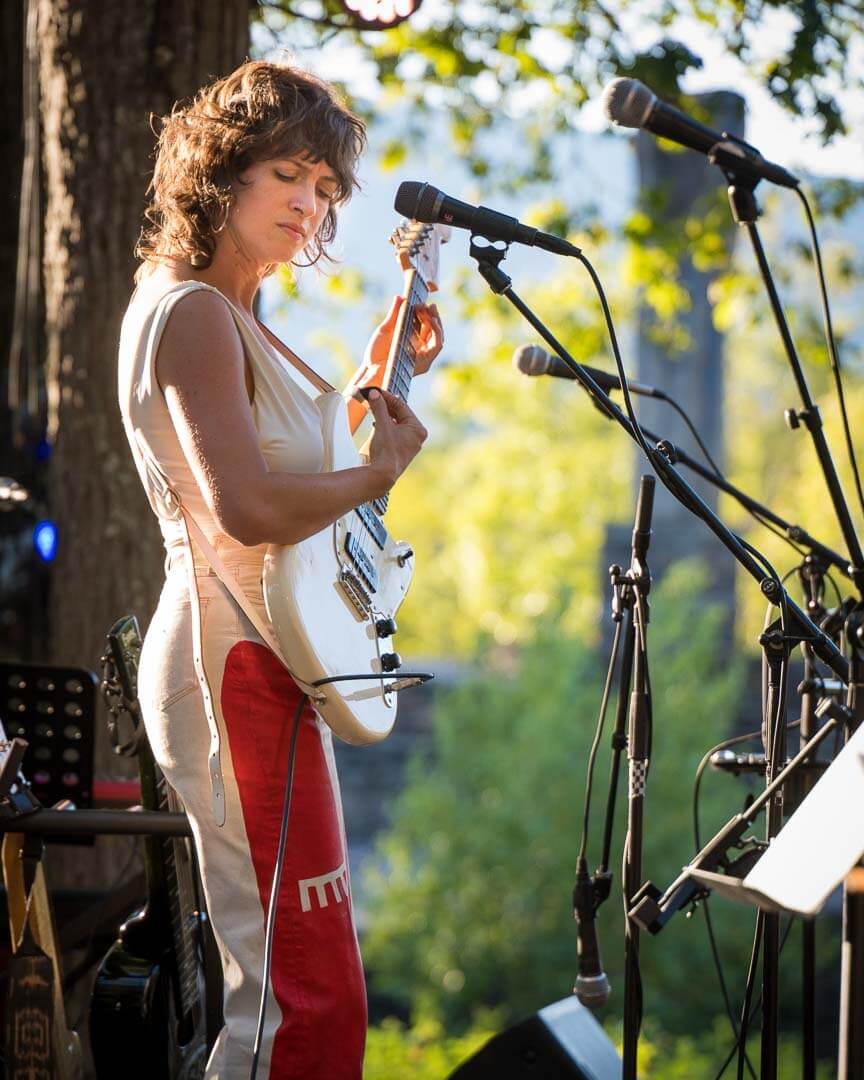
Musician Kendra McKinley hails from California, but has recently made her home in Catskill. Her new EP — her fifth album! — is about to launch, and I spoke with her about her inspiration, creativity, and how an album made in the Hudson Valley differs from one made in California.
Top photo by Catskill Photography Studio
What brought you to the Hudson Valley initially?
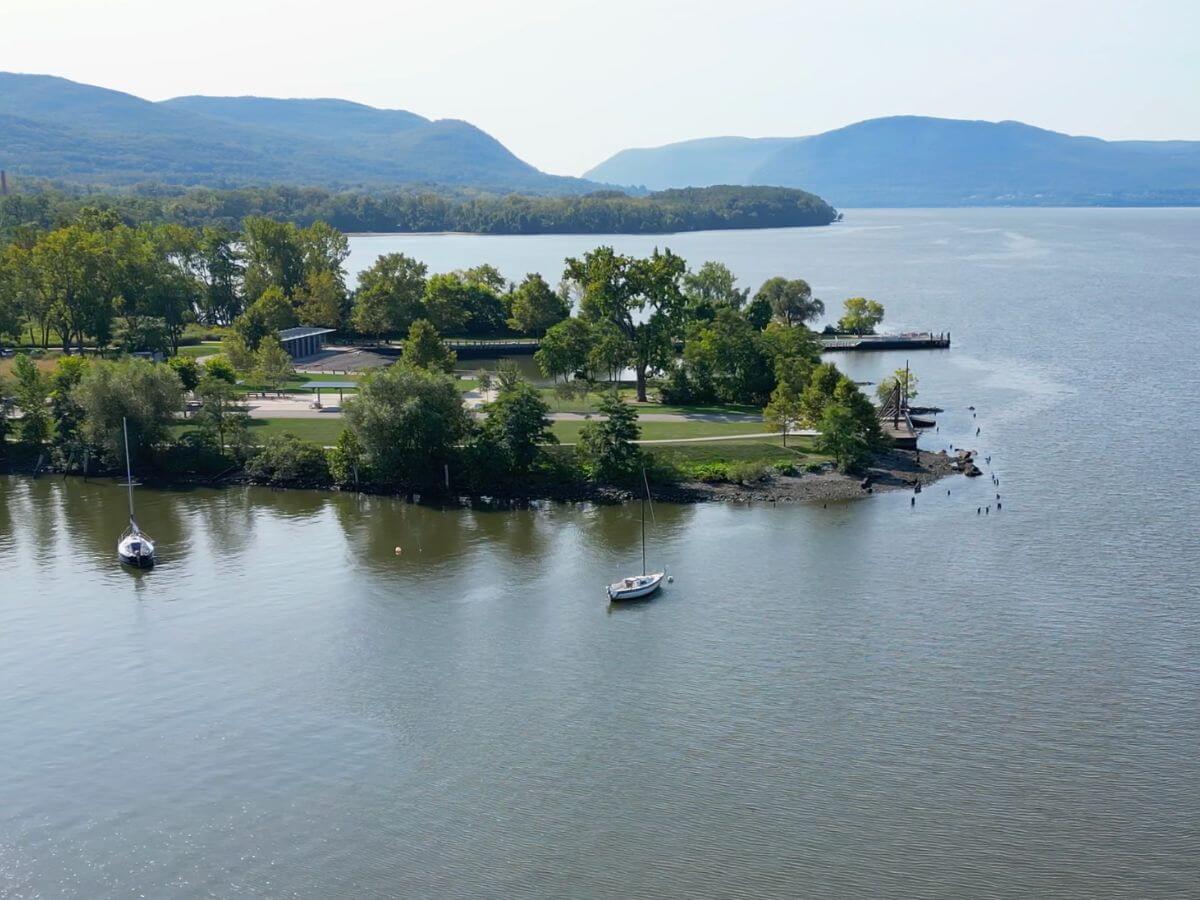
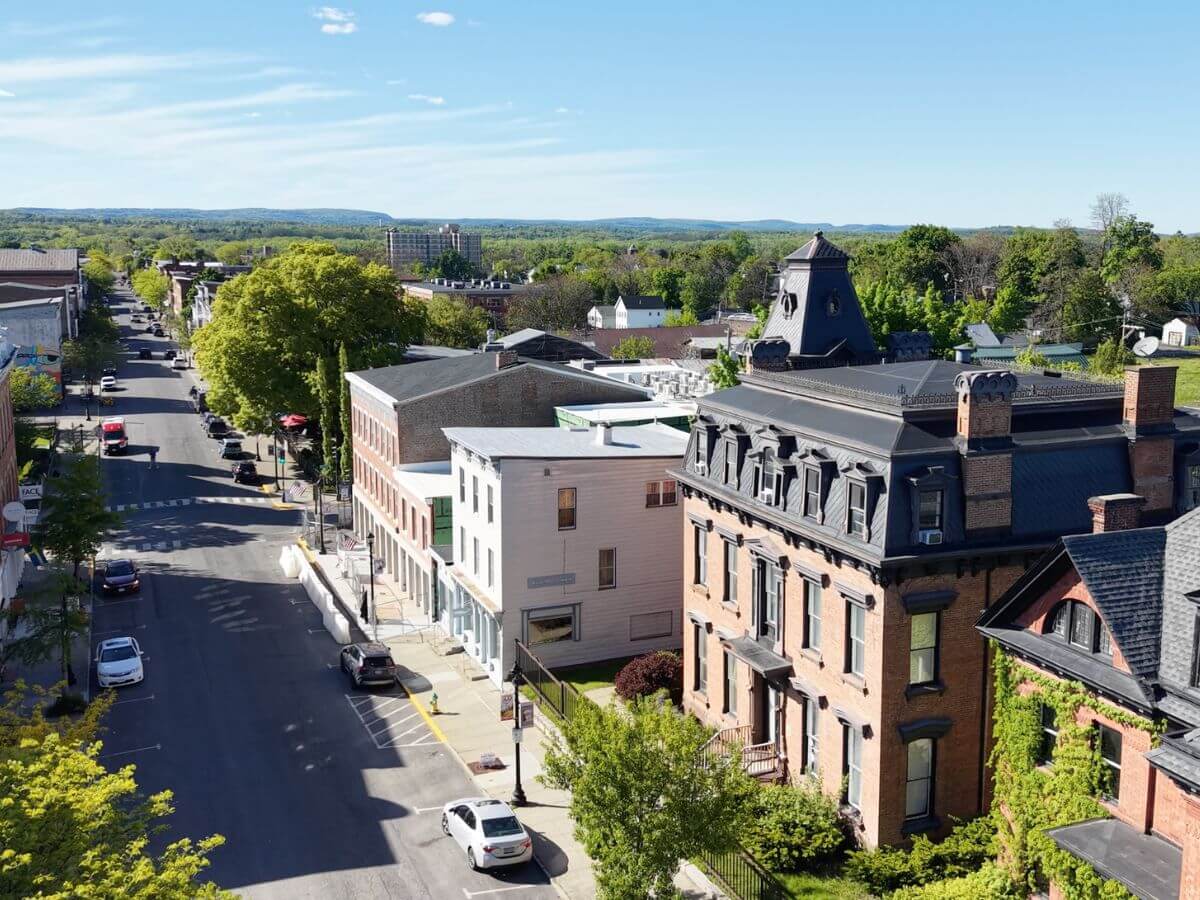
I'm in the town of Catskill, and sometimes I say Catskill chose us.
I moved here with my partner, Dan, three-and-a-half years ago. We were coming from California. We hadn’t done the New York City or Brooklyn chapter, but we’d heard rumors of it being full of artists. The proximity to New York City was appealing.
We thought about Kingston or Woodstock since those were the towns we knew, but Catskill was where we found a sublet through a Catskill artist. She took a chance on us, even though we had no real jobs or pay stubs. We drove across the country with instruments and house plants and landed in Catskill, a total mystery to us.
The first night, we went to the Avalon Lounge. It’s since become the epicenter for me — where I’ve played, bartended, and found family and community. Catskill really did choose us.
Had you been to other parts of the Hudson Valley before, or was it sight unseen?
We’d visited Kingston, Saugerties, Woodstock, and stayed with friends in Ellenville. That was enough to convince us. We even stopped at Tubby’s in Kingston one night, and the bartenders encouraged us to move. I ran into them at the Avalon Lounge our first night in Catskill and told them, “We moved here — 45 minutes ago!”
What’s been the biggest surprise since moving to Catskill?
The small-town vibe paired with fascinating, substantial people. It’s not densely populated, but everyone feels so interesting. I feel stimulated by the community.
I also love how there’s a quiet humility here. You meet titans of their fields at cideries or quirky shows, and no one’s pitching themselves. People are here to live beautifully, and that culture makes me fall in love with the place.
Tell me about your new EP.
It’s called Music for Smoking Weed with Your Bra Off. It’s my second EP, and my fifth release overall.
The title started as a cheeky response when people asked me what kind of music I make. Listing genres just makes people glaze over. I thought about what my music is a soundtrack for, and “with your bra off” felt like a metaphor for disarmament—softness, relaxation, introspection. People sometimes take it as overtly sexual, but for me it’s more about comfort and openness.
I made this EP by accident while experimenting with [the music production software] Ableton Live. I started with beats, added bass and samples, and suddenly had five strong songs. I sent them to my friend Marco Buccelli, who said, “I think it’s done.” He mixed it a little, and we kept the raw, spontaneous feel.
It comes out November 5. Four of the five songs are already out — I’ve been winging it. I plan to pull my music from Spotify and release it on more artist-centric platforms.
This EP resuscitated a sense of play. My last album, Where Does a Body Begin (2023), was a big, prolonged process. This EP reminded me that making music can be fun.
How has the Hudson Valley influenced your creative practice?
This new EP was all written, recorded, and produced from my house in the Hudson Valley. It’s really of my life here.
The greenery and distinct seasons have been hugely influential. I experience music synesthetically — each song exists in a hue with emotional connotation. My new post-EP songs are all green, reflecting existential lessons from the life-death-life cycles I see here.
It humbles me in the face of political overwhelm. Attuning to nonhuman life helps me zoom out. Local author Sophie Strand’s writing on decentralizing the human perspective has also shaped me.
So yes, the land itself — its constant change — deeply influences my music.
Can you describe the interplay between your inspiration by the land and the influence of tools like Ableton?
Yes. With Ableton, I was influenced by hip hop and jazz intersections — Erykah Badu, J Dilla, D’Angelo, Terrace Martin. I love hip hop’s physicality combined with melodic writing that reminded me of the 1960s chamber pop I grew up on.
My partner’s a drummer, so rhythm is part of my life. When I play solo, or with a looping station, I have to stay deeply in the pocket. That rhythmic focus shaped the EP.
Aside from your own, what are three essential albums you’d recommend?
- Earthstar Mountain by Hannah Cohen — her melodies are undeniable, and her production with Sam Evian is excellent.
- So Far So Good by Meernaa — advanced chord progressions mixed with earthy, witchy sensibility.
- Ojos Del Sol by Y La Bamba — Luz Mendoza feels like a conduit for complete, downloaded songs.
There’s so much exciting music being made right now.
What do you hope to see in the Hudson Valley in the next five years?
More free concerts — government-funded block parties with stages accessible to the whole community. There are great boutique festivals and venues, but live music should be accessible to everyone.
With so many amazing artists here, it feels like we could have block parties constantly!
Never miss a story
Hudson Valley community news, fresh stories, and the occasional heads-up — straight to your inbox.
Thanks for subscribing!