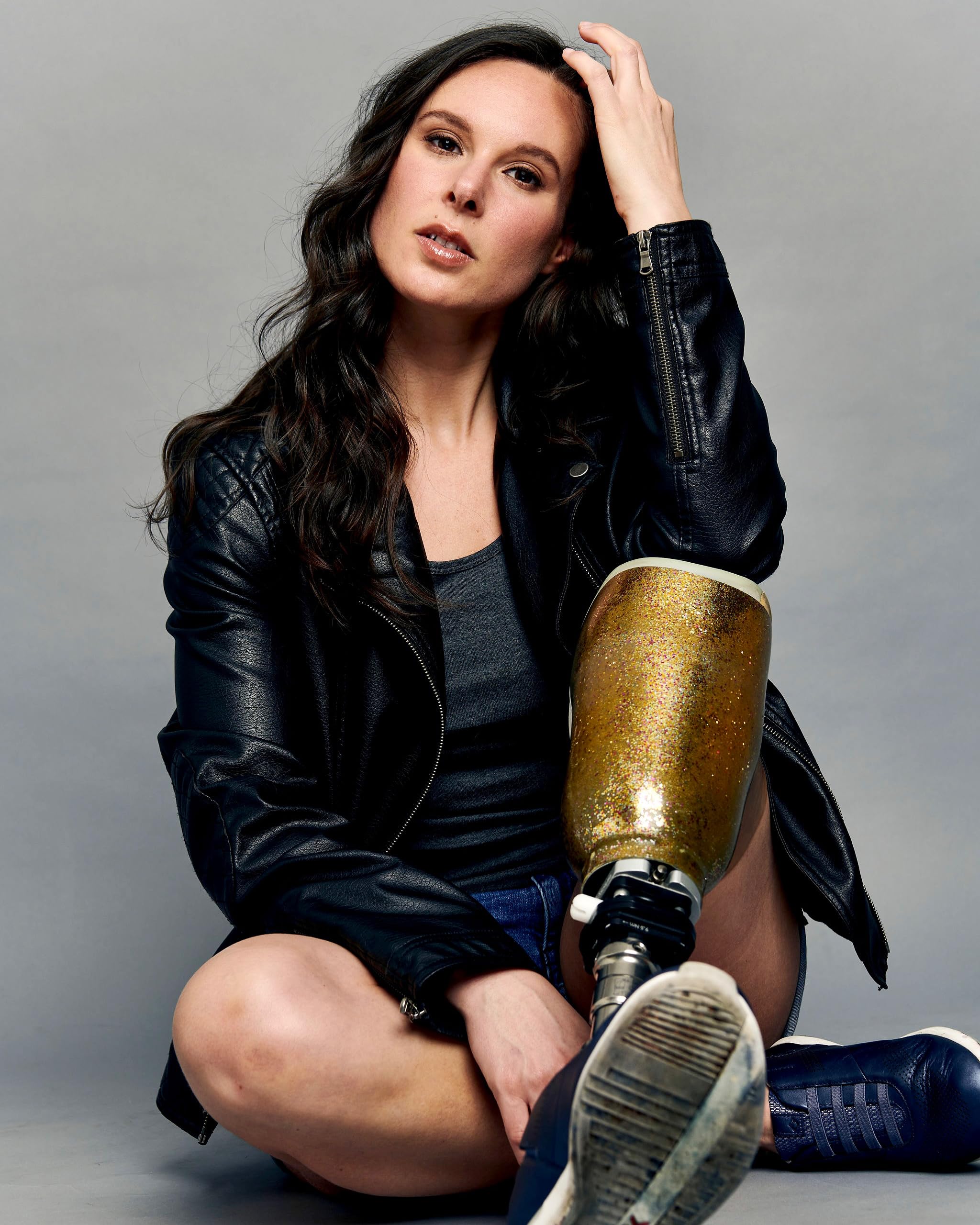
Rachel Handler on her latest short film, the Hudson Valley film scene, and why disability representation matters
Photo by Justin Patterson
Hudson Valley filmmaker Rachel Handler breaks down how she made her latest film as a single continuous take — and what a more disability-inclusive film industry can look like.
Rachel Handler moved to the Hudson Valley from Jersey City almost four years ago. In addition to her numerous acting credits on shows like Interview with the Vampire and Law & Order SVU, she’s a prolific indie filmmaker who writes, directs, and produces her own work.
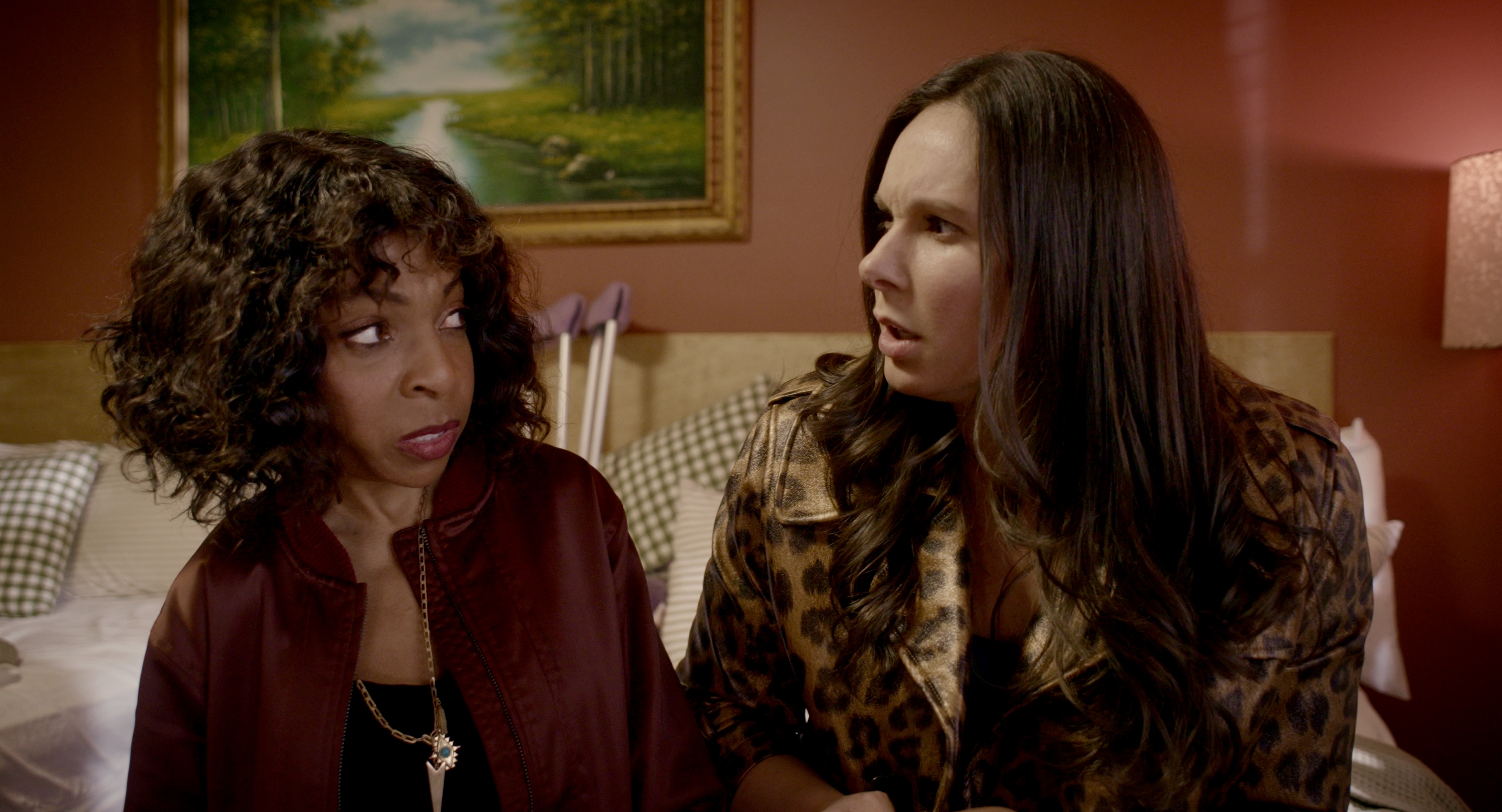
Her latest short film, Work Trip, was made for the Easterseals Disability Film Challenge — a competition where filmmakers with disabilities create professional-quality short films in just six days. It's Rachel's tenth entry, her second shot in the Hudson Valley, and her first filmed as a single continuous take.
→ Find Rachel on Instagram @bionic.brunette
How did you end up in the Hudson Valley?
I moved up here almost four years ago. I grew up in New Jersey and then I lived in Jersey City for a long time. In 2021, my husband and I were starting to think about maybe getting a house. By 2022, we found a house up here that we really loved, that we could afford, and we fell in love with the area. Some of our friends had already moved up here. Perfect fit.
How does the film scene here compare to what you expected?
It's a lot more vibrant and a lot kinder, actually, than I've seen in other areas. In the city, it's a lot of hustle and bustle and go, go, go. Everyone's always looking for their next job. I think a lot of people who move up here are looking for a better work-life balance or just a slightly slower pace.
Up here, especially making indie films, I've never worked with someone who I was like, “oh, that person was an asshole.” Everyone has been so kind and excited about creating a story together, really loves the work that they do, takes pride in it and just wants to be part of making something really cool. I think that's really special.
I've worked a lot with Robert Featherstone, who's a DP based in Beacon, and Tara Latorre — they've been amazing at helping me find a filmmaking community up here.
This is your tenth entry in the Disability Film Challenge. How has it changed?
The challenge has grown exponentially. This year there were almost 150 films submitted, which I think is a new record. The first year I did it, there were maybe 20. The winners and finalists are announced in Deadline and Variety. The award ceremony is held at Sony. The prize includes mentorship meetings with executives from all of the big studios.
Some people still think, oh, Disability Film Challenge, that's cute. A bunch of disabled people making films for fun. But really, these are professional filmmakers and actors with disabilities making incredible films in just six days.
And these films aren't just starring actors with disabilities. A lot of them are made by directors, producers, writers, gaffers who identify as having disabilities as well. There's so much talent in this community. It's not just “Oh, take pity on me, I'm disabled, hire me.” It's “Look at all this talent, look at all these stories that have yet to be tapped into.”
How did you decide to shoot Work Trip as a single take?
I knew right away when I was writing that script that I wanted to film it as a one-er. It's been on my bucket list. I come from a theater background where everything is a one-er. So I was like, this year is the year.
Then I wrote five other scripts after it because I was like, there's no way we're gonna be able to film this. I set it in a hotel — what hotel is gonna let us film there? It just felt so impossible.
Then I had a writer friend read all of my scripts and she was like, you have to film the first one. That one's the best. And my DP Robert was like, we should do this one. And I was like, you know, I want to film this as a one-er. And he was like, okay. We'll do it.
How did you find the location?
My friend Shan White had reached out to me on Instagram in early March. I told her I wrote a script I really liked but didn't know if it would work. And Shan was like, well, why won't it work? And I was like, well, it's set in a hotel. And Shan was like, well, my boyfriend's a chef at a hotel.
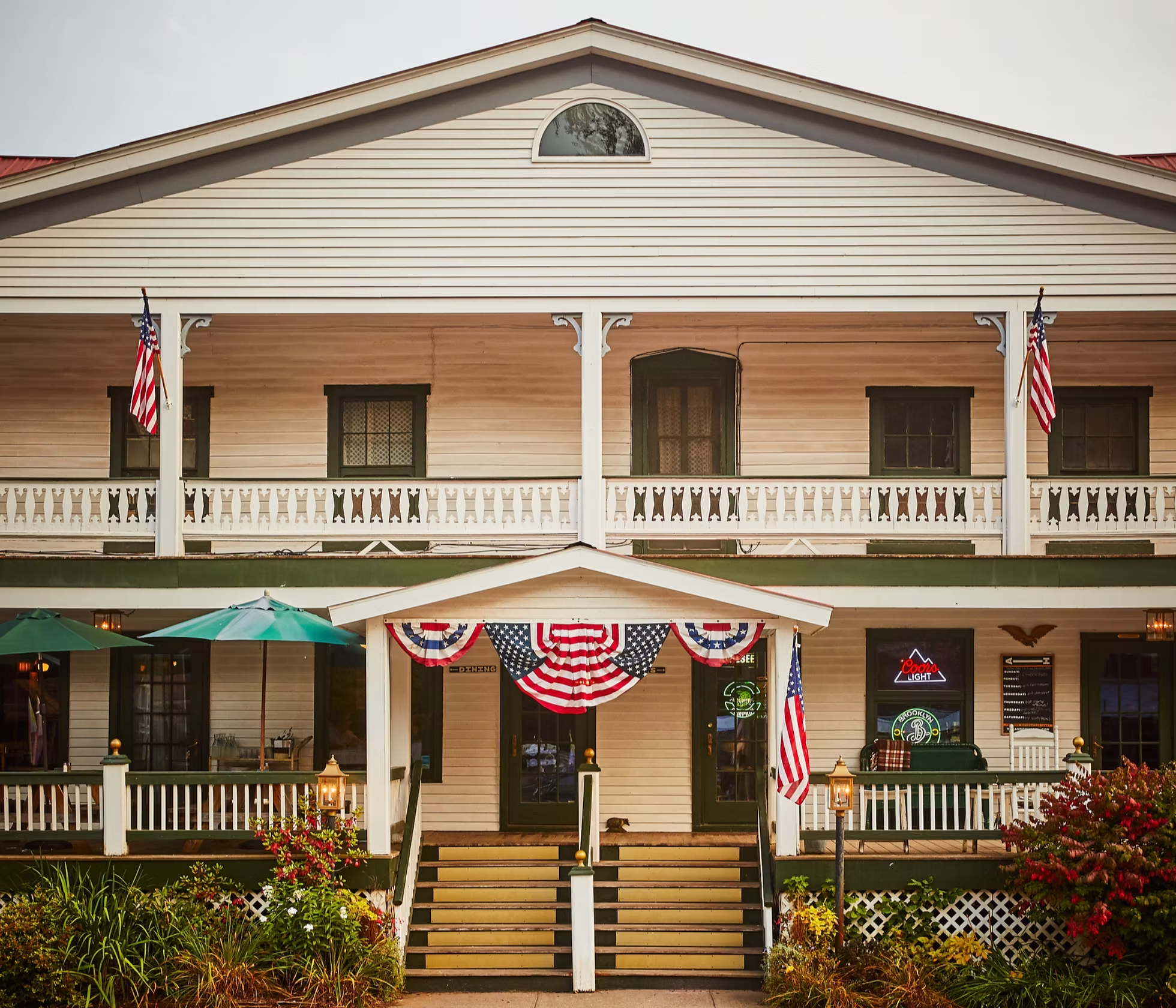
All the stars started aligning just about two weeks before the film challenge. Her boyfriend is the chef at the Andes Hotel and they basically gave us free reign for two days. We all put ourselves up at the hotel the night before, then rehearsed and filmed for one very intense day.
What was it like performing in a single continuous take?
I'm always nervous to improv because of how the film is going to be cut together. Directors will say they'll allow you to improv a little, but then they really don't want you to. This time, Pavar [Snipe, her co-star] and I had free reign to improv if we wanted.
I don't think I had written any dialogue at the very beginning of the film. So we just improv'd a little chatting about brunch. And running down the hallway, I just randomly started being like, “Please don't die. Please don't die.”
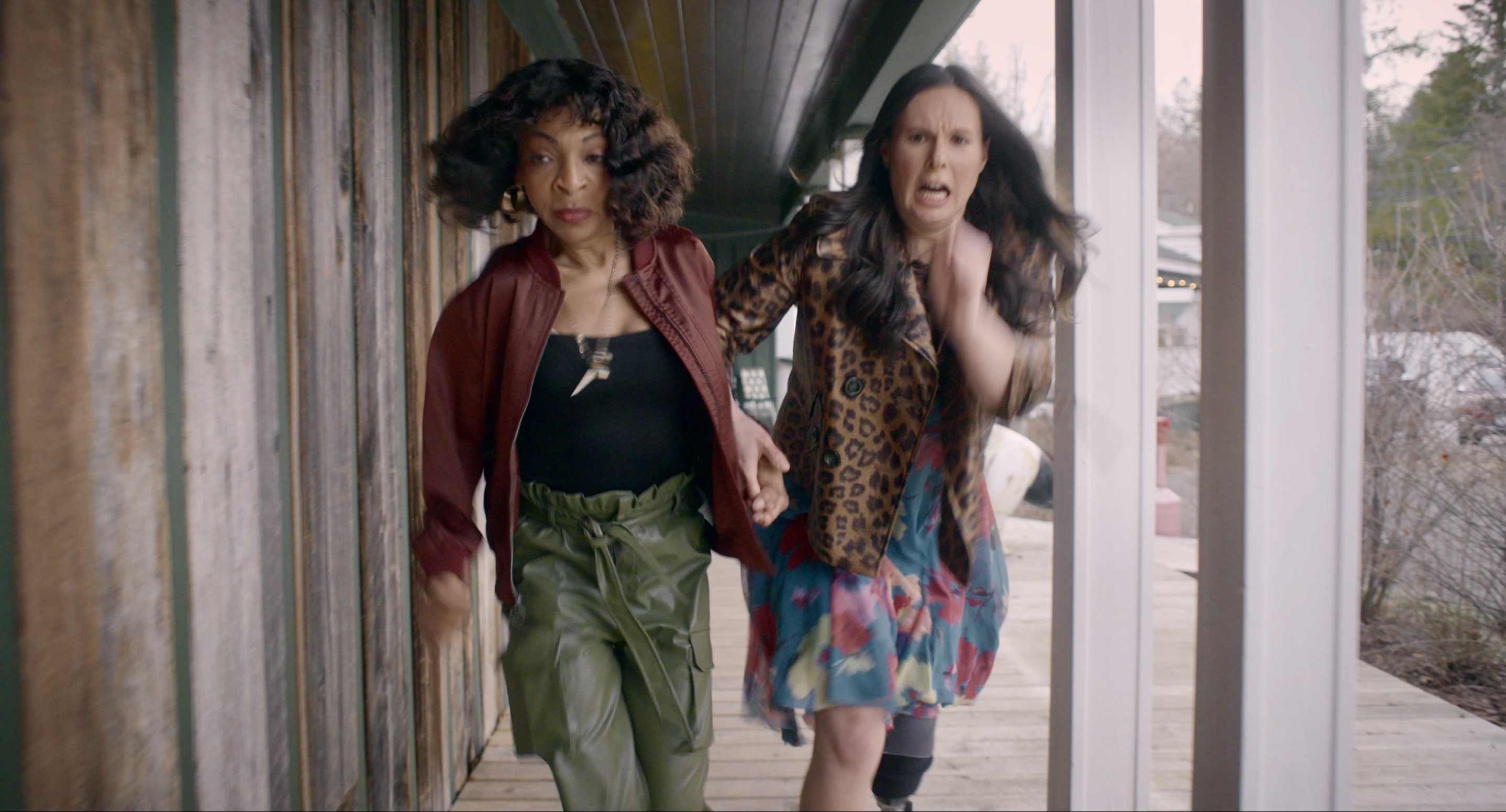
So many moments were unscripted that just naturally came out as we started rehearsing. I think that's where a lot of the magic really happens — when you're truly in the moment. You don't really know what's going to happen next, but you have the freedom to change things up because it's all one take. I didn't have to worry about things matching, which was really, really nice.
You act in major productions and also write and direct your own work. How do those two modes feed into each other?
I love being on these big sets. Interview with the Vampire was such a dream. We filmed that in New Orleans. They built me a peg leg and made sure it was safe enough for me to run across the street. The acting on these shows — I feel like a kid in a candy store.
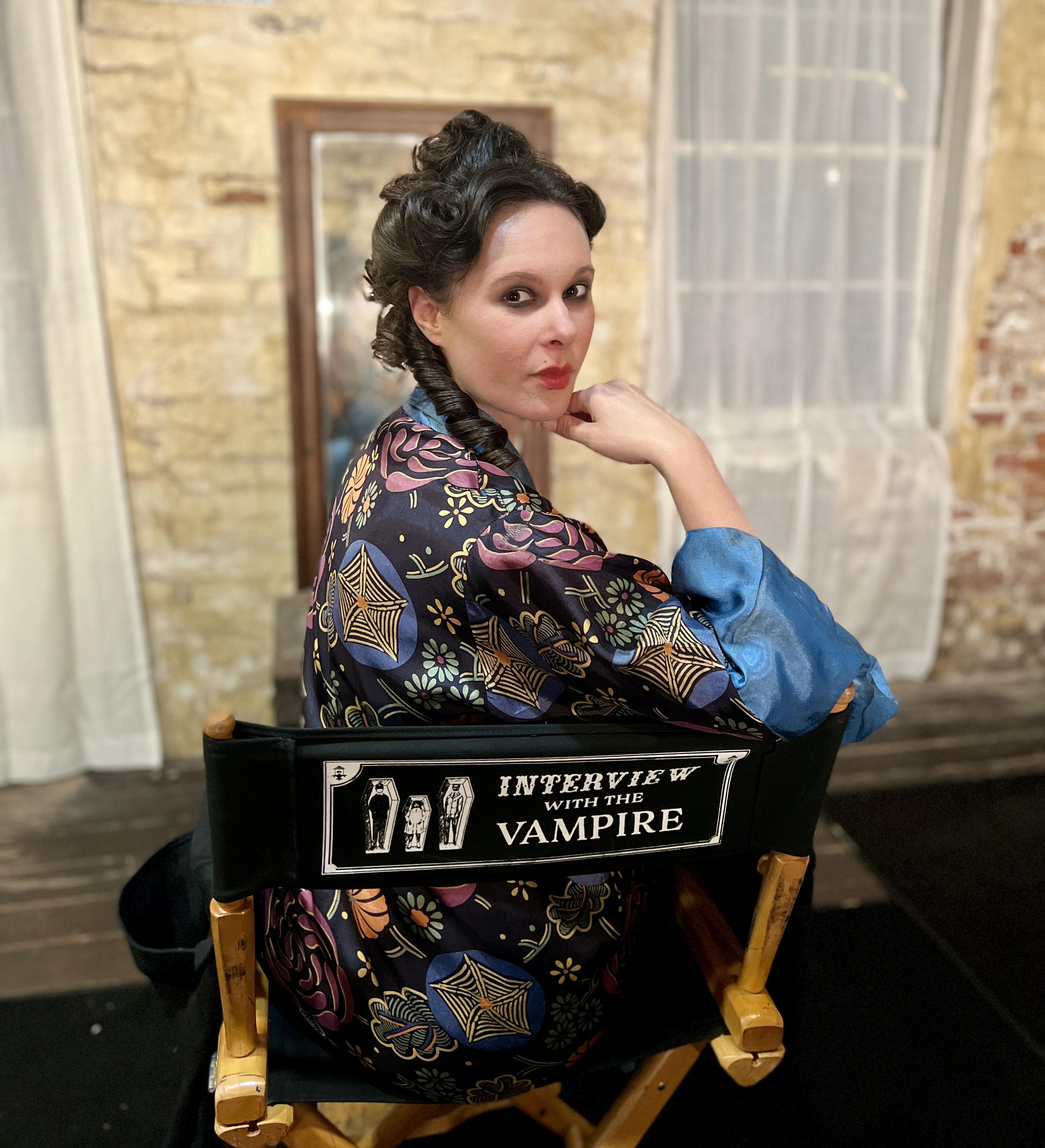
When I write and produce and direct, it's tapping into a different part of the creative side of the brain. It does feel like I'm responsible for this story. But I love that because I get to write characters that I think people need to see and tell stories that haven't been seen before.
In this film, it was cool to show how an amputee might choose to use a wheelchair because her leg's a little sore. And then that same day, puts on her prosthetic leg and runs down the hallway.
There are more disability-specific roles being written now, but they often still go to non-disabled actors. What needs to change?
When a role is written with a disability and you don't think of casting actors with disabilities, and then you don't call in actors with disabilities to play non-disability-specific roles — you're completely excluding 25% of the world.
Change really happens when a creative team says, okay, we must find the right person for this role. That means casting authentically and doing a large casting search. With social media, there's really no excuse now to not find the right person.
It's imperative that creative teams, writers, producers, casting directors make it known that they want to prioritize being disability inclusive. We are a community that's been shut out of the industry for so long that managers don't even think to submit disabled people for non-disabled roles.
Why can't the receptionist have a prosthetic leg? Why can't the mom be partially blind? Disabilities are a natural part of life. The more we think about it that way, the more inclusion will happen.
What do you want people to take away from this?
I would love for people to watch my film and then stick around on the Film Challenge YouTube channel and watch a few others. If you are in a creative industry, really think about — do I have any disabled people on my team? How can I make my workplace more accommodating? Often when accommodations are requested by a disabled person, they end up benefiting everyone. Touchscreens were invented for disabled people, and now everyone uses them.
I just hope that by creating these inclusive films, it spreads to a more inclusive world and society. That's always the goal in any film I make — just promoting awareness and inclusion in some way.
Work Trip and all 144 films from this year's Disability Film Challenge are available to watch on YouTube.
Never miss a story
Hudson Valley community news, fresh stories, and the occasional heads-up — straight to your inbox.
Thanks for subscribing!
.jpg)