A conversation about the Hudson Valley, sustainability, and HV Sustainable Fashion Week.
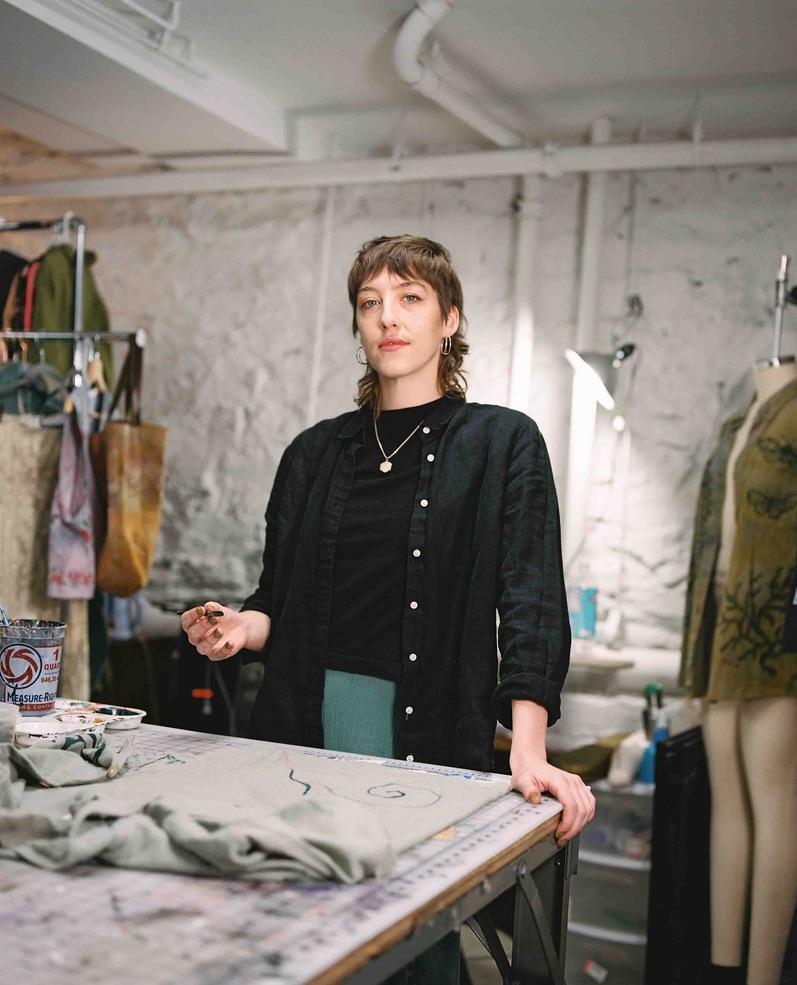
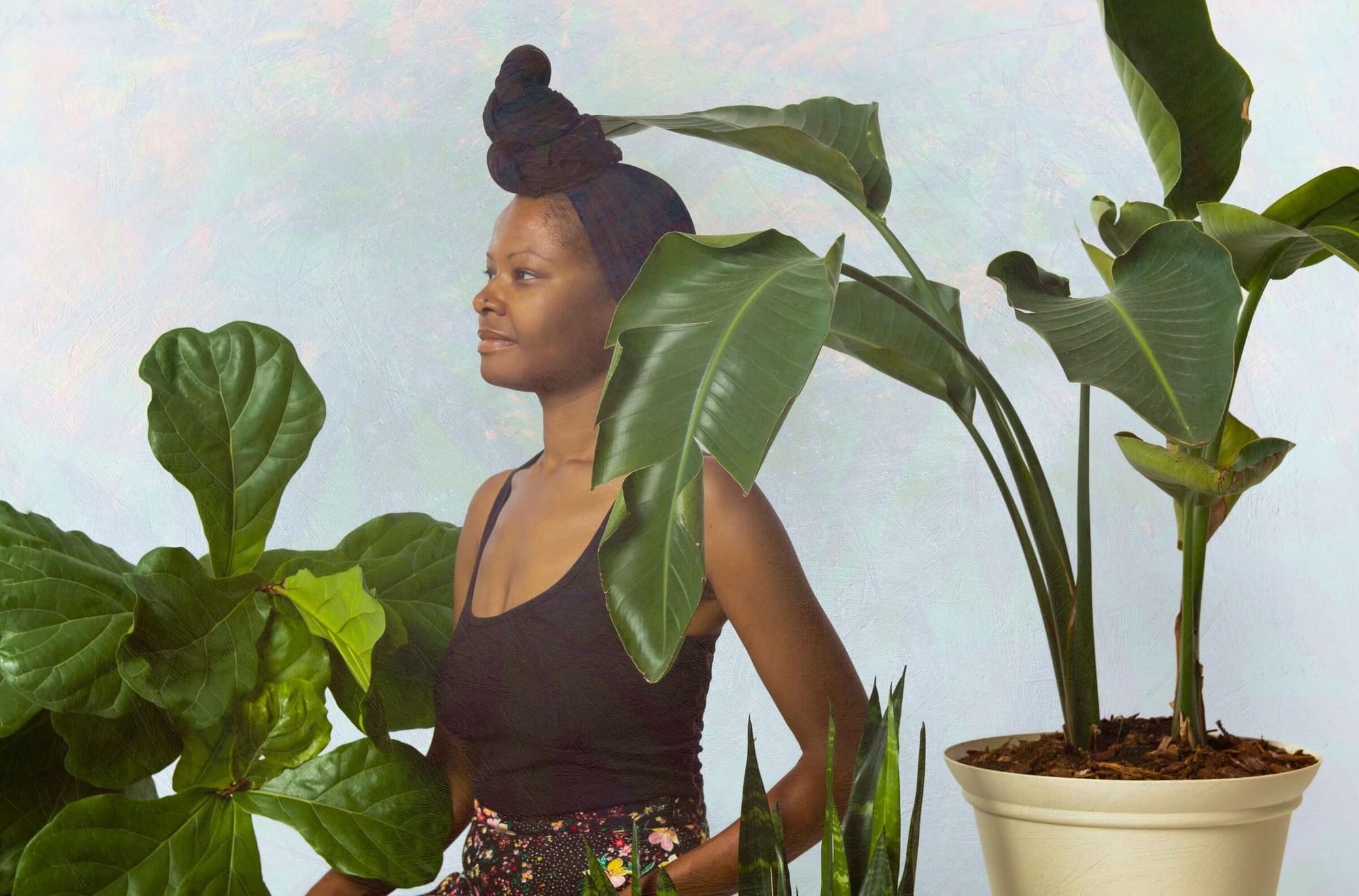
Joanne Louis-Paul is the cofounder and Chief Communications Officer for Hudson Valley Sustainable Fashion Week, whose third-annual Organic Runway Show is coming up at the end of September.
I spoke to Joanne about her life in the Hudson Valley, how it inspires her work, and the intersection of fashion and sustainability.
How did you come to live in the Hudson Valley?
I was born here, so it wasn't my choice! I've been in Rockland my whole life, and it's taken me a long time to appreciate it, but I'm happy to have been born here.
What do you most appreciate about it?
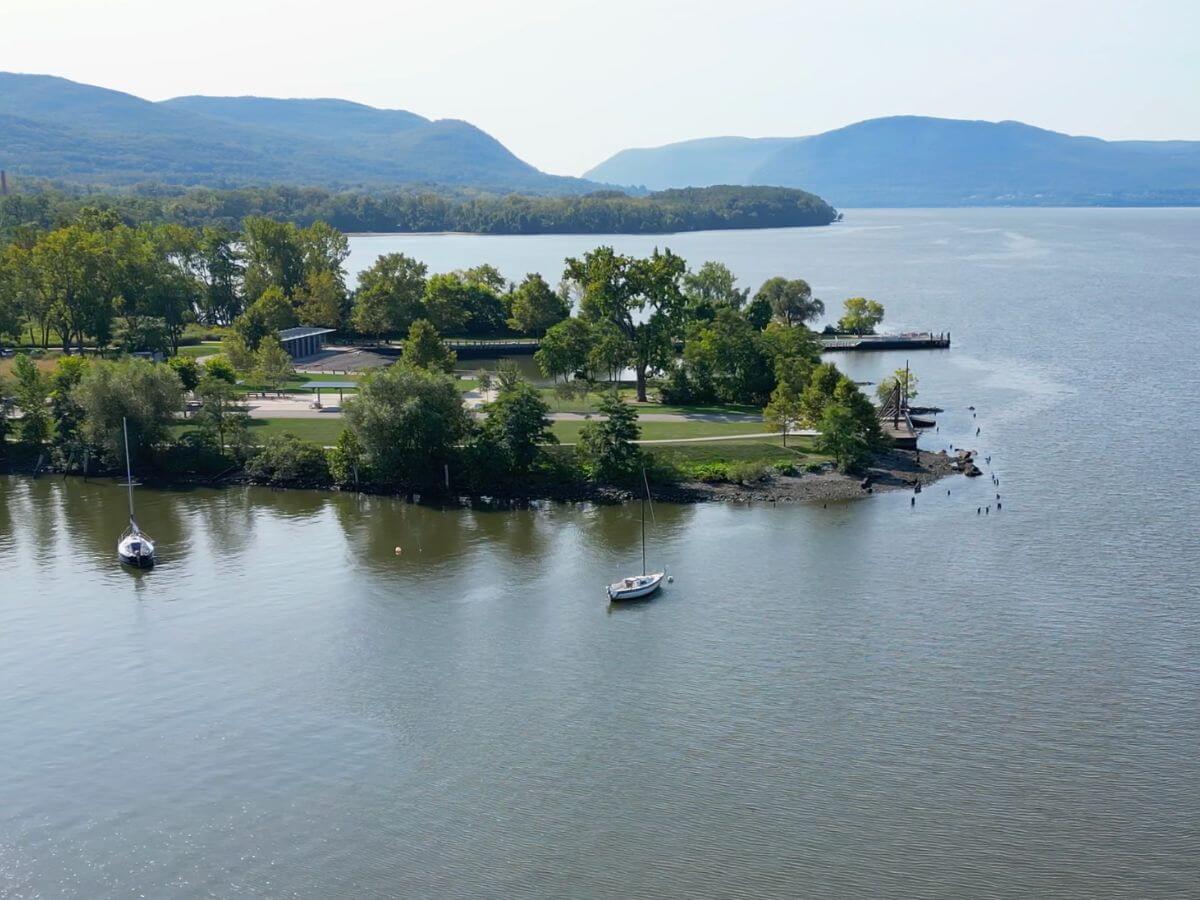
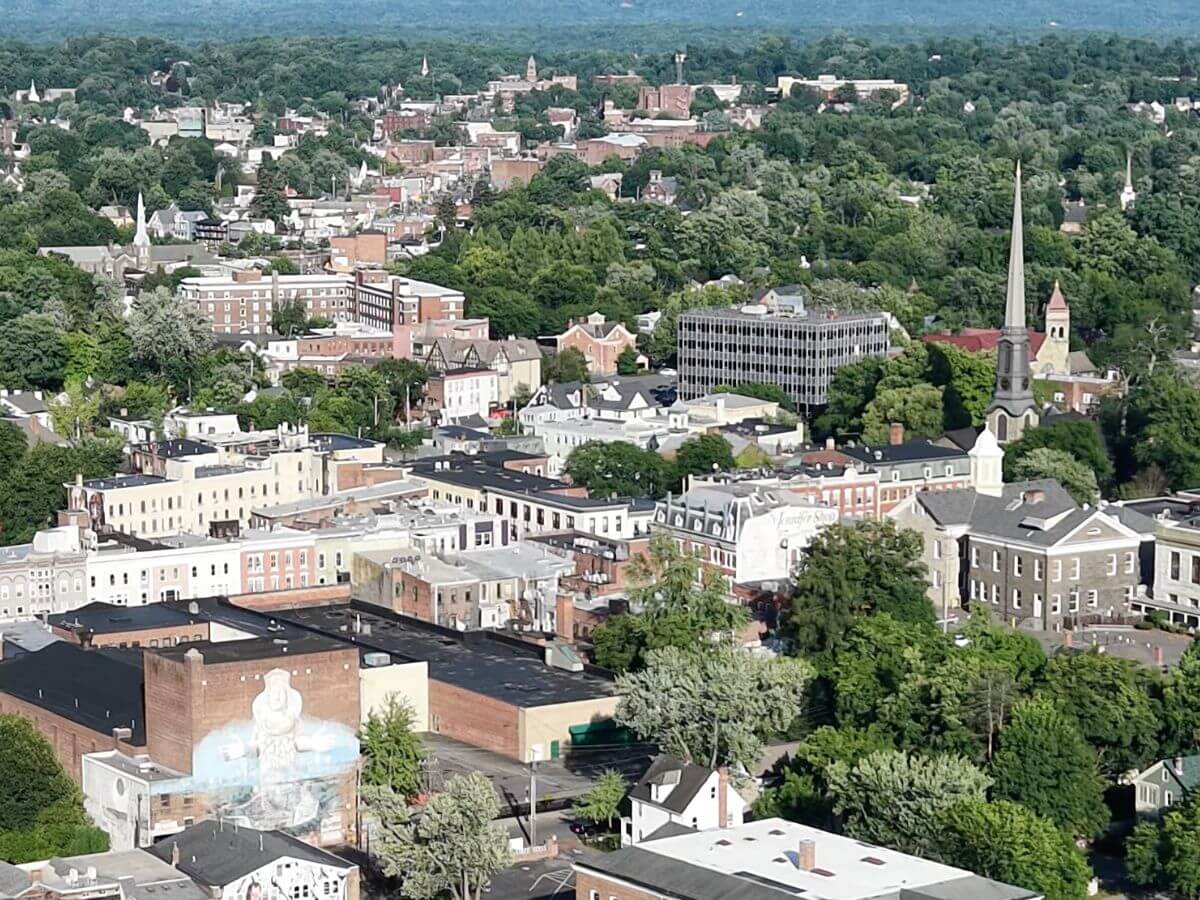
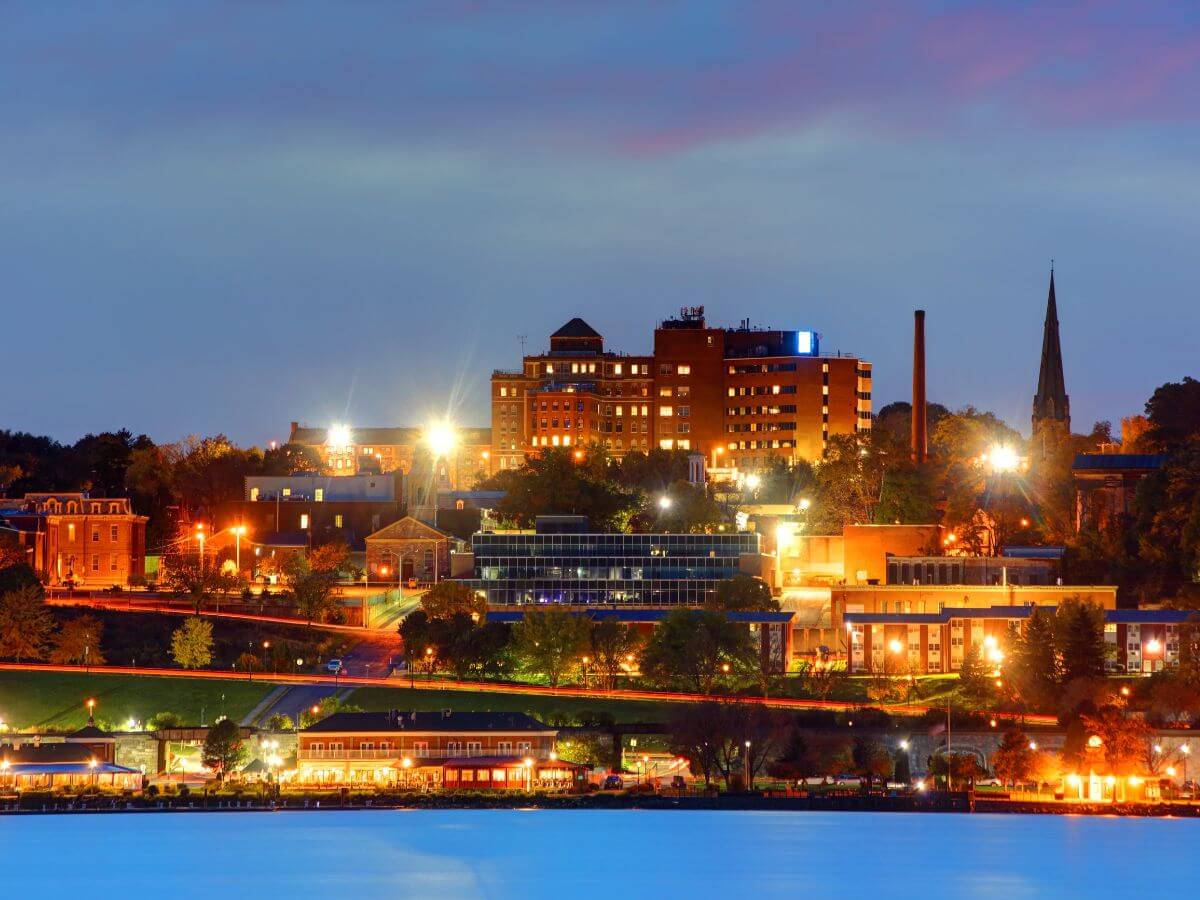
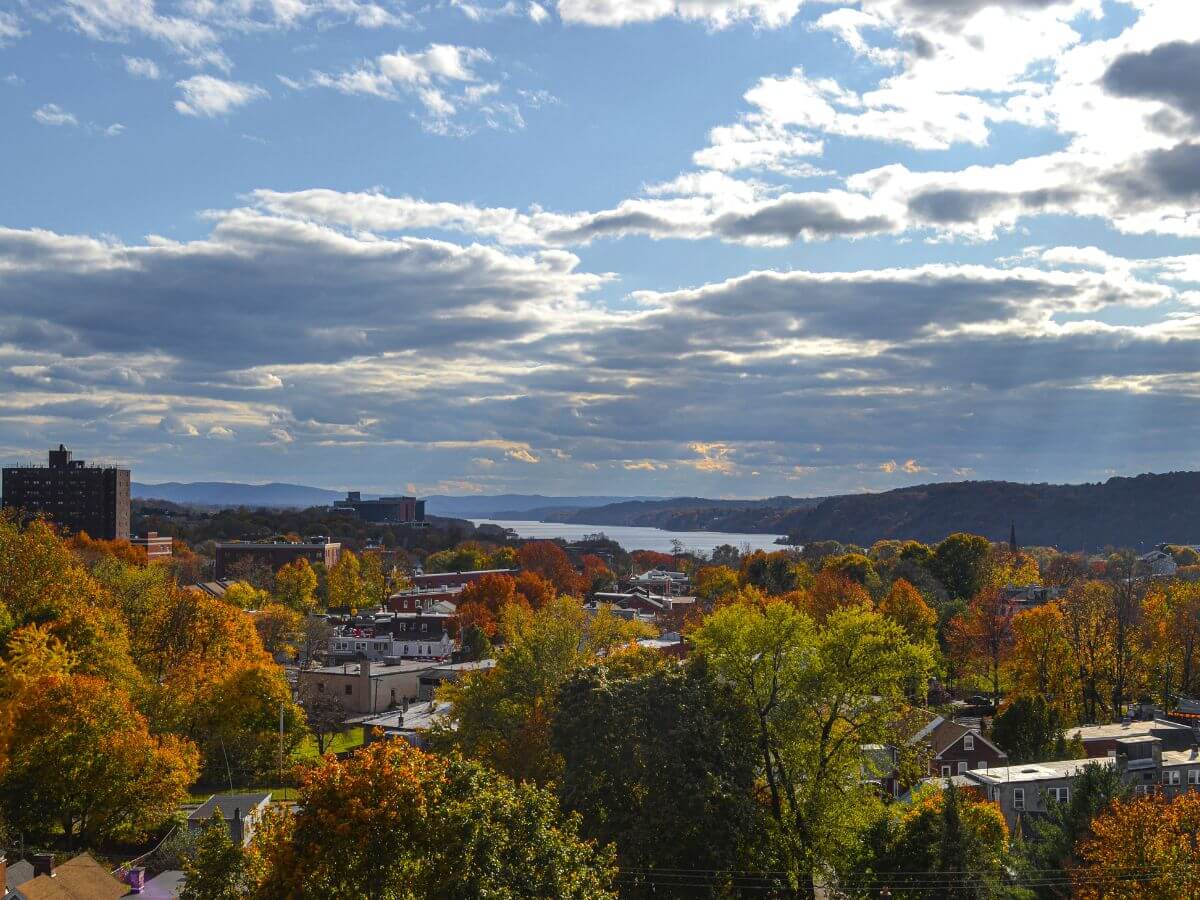
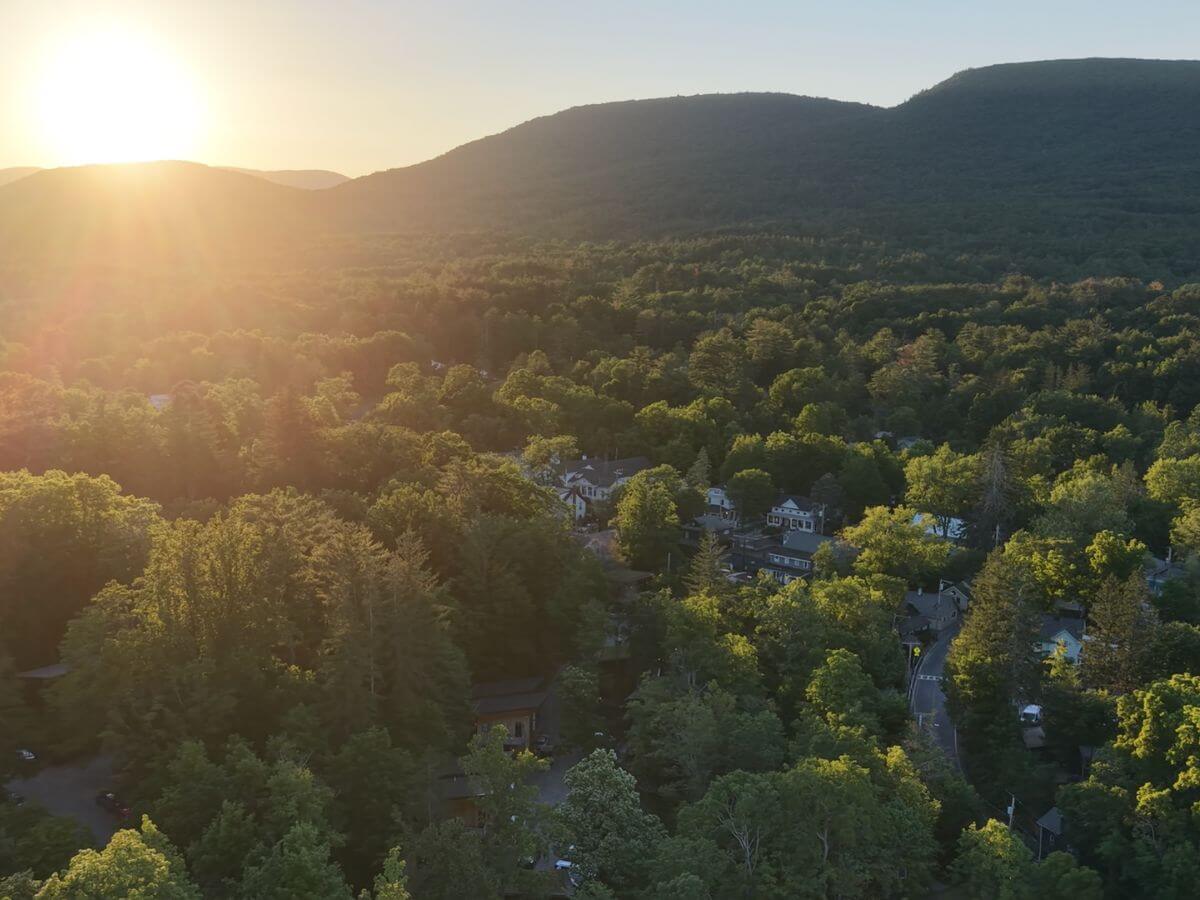
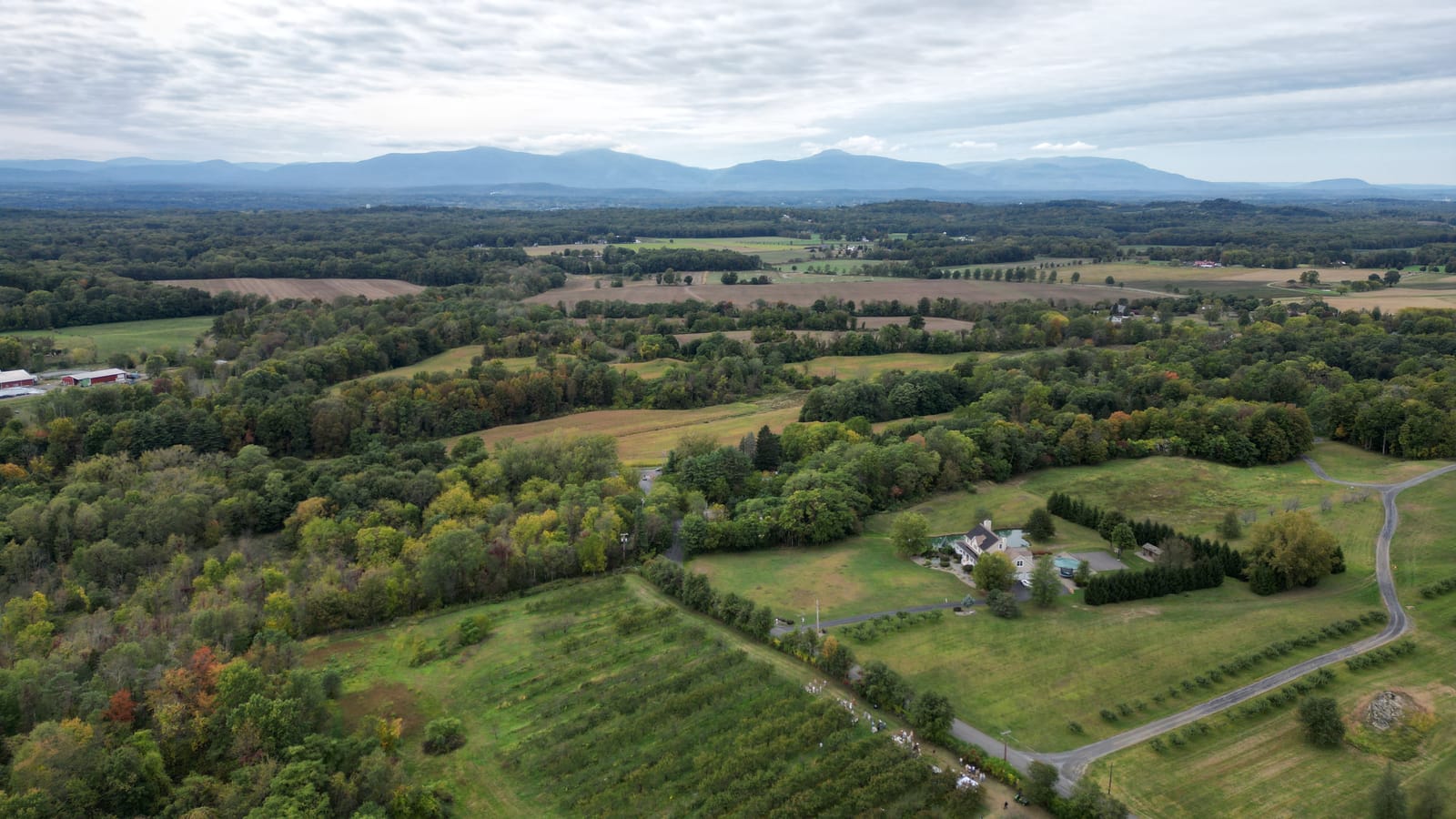
The mix of nature and culture. The location is amazing, especially down here in the lower Hudson Valley. I’m 20 minutes from Manhattan, two hours from Philly, and an hour from the Delaware Water Gap. There’s so much diversity — biodiversity, but also cultural diversity.
Why did you decide to stay in the Hudson Valley?
About five years ago, around the pandemic, I started to really appreciate it. With everything shut down, I really liked being able to go to parks, trails, and take aimless drives. That sparked a deeper appreciation for Rockland in particular.
At the same time, I became aware of challenges like overdevelopment and poorly-managed population growth. Affordable housing is becoming harder statewide, so I value even more that my parents bought a home here and we still have it. That piece of property is precious.
I've been to lots of places, and I love visiting new places, but Rockland and the Hudson Valley are home. I don’t want to live anywhere else.
How has the Hudson Valley influenced your work?
It’s shaped everything. I didn’t expect that.
I started my Instagram, “Joanne About Town,” in 2012. At first it was about visiting other places. I had been playing with the name “Lady About Town” for a production company. Over time it shifted toward appreciating local towns.
When the pandemic hit, I began working for myself and found myself drawn into community-based projects. Before that, I had started the Hudson Valley United Freelancers and Entrepreneurs Facebook group, which really took off. Eric DeFeo from Hudson Community Incubator found me through that group and brought me on as community manager.
We were remote, with people joining from all over, but it was powerful. That’s how I met Kaitlyn [Murray, founder of Maison Après in Kingston] — through coworking sessions I organized. She was the only one who showed up consistently, so we bonded. Out of one of those conversations came her idea for a sustainable fashion week.
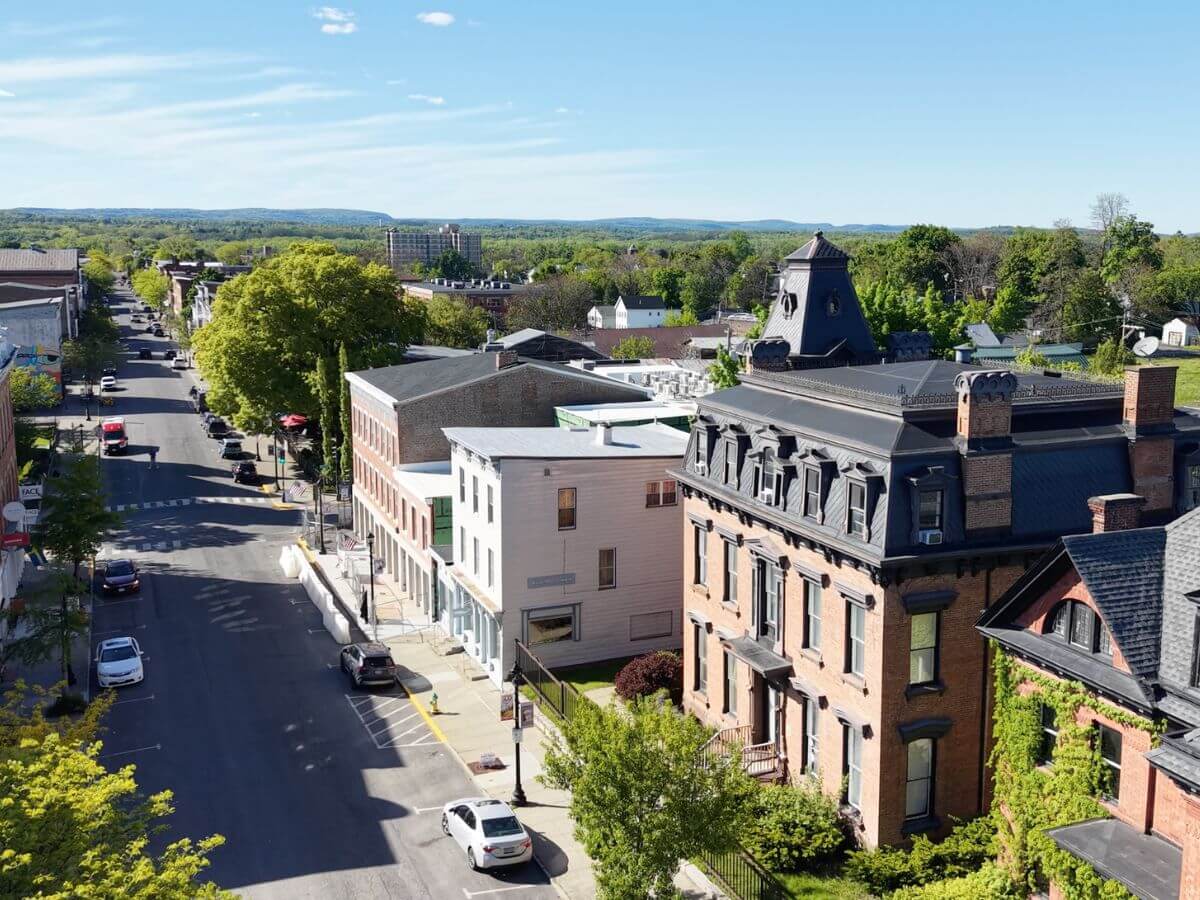
All of this made me realize how much I love community. I love that the towns and cities here have strong sense of place and culture and community. The Hudson Valley is full of that.
.webp)
.webp)
.webp)
How did Hudson Valley Sustainable Fashion Week begin?
It started in the fall of 2022. Kaitlyn and I were talking, right on the heels of New York Fashion Week, and she was talking about how great it would be to have a sustainable fashion week here. It sounded like a great idea, so I said, “Let’s do it.” We turned our coworking sessions into early planning meetings.
By February 2023, we held our launch event in Rhinebeck. It was raining, but 40 people showed up. That told us we were onto something — if people come out during bad weather, you've got a good idea. The rest is history!
Annie [McCurdy, founder of So Vicki in Newburgh], one of our designers from the first fashion show, joined the board in year two. And just recently, we officially became a nonprofit — we got our 501(c)(3) determination.
Did you know what you were getting into at the start?
Not at all. We were just excited and dreaming. The more people we engaged, the more it grew. People wanted to contribute in all kinds of ways.
Things we only imagined in those early days — like someone making a documentary — are now happening. Hudsy approached us this year to film something documentary-style.
I remember Kaitlyn checking Eventbrite the day of our first show and realizing we had 300 tickets. It was just the two of us pulling it together, not knowing what we were doing, but somehow it worked.
What makes the runway shows feel so distinctly Hudson Valley?
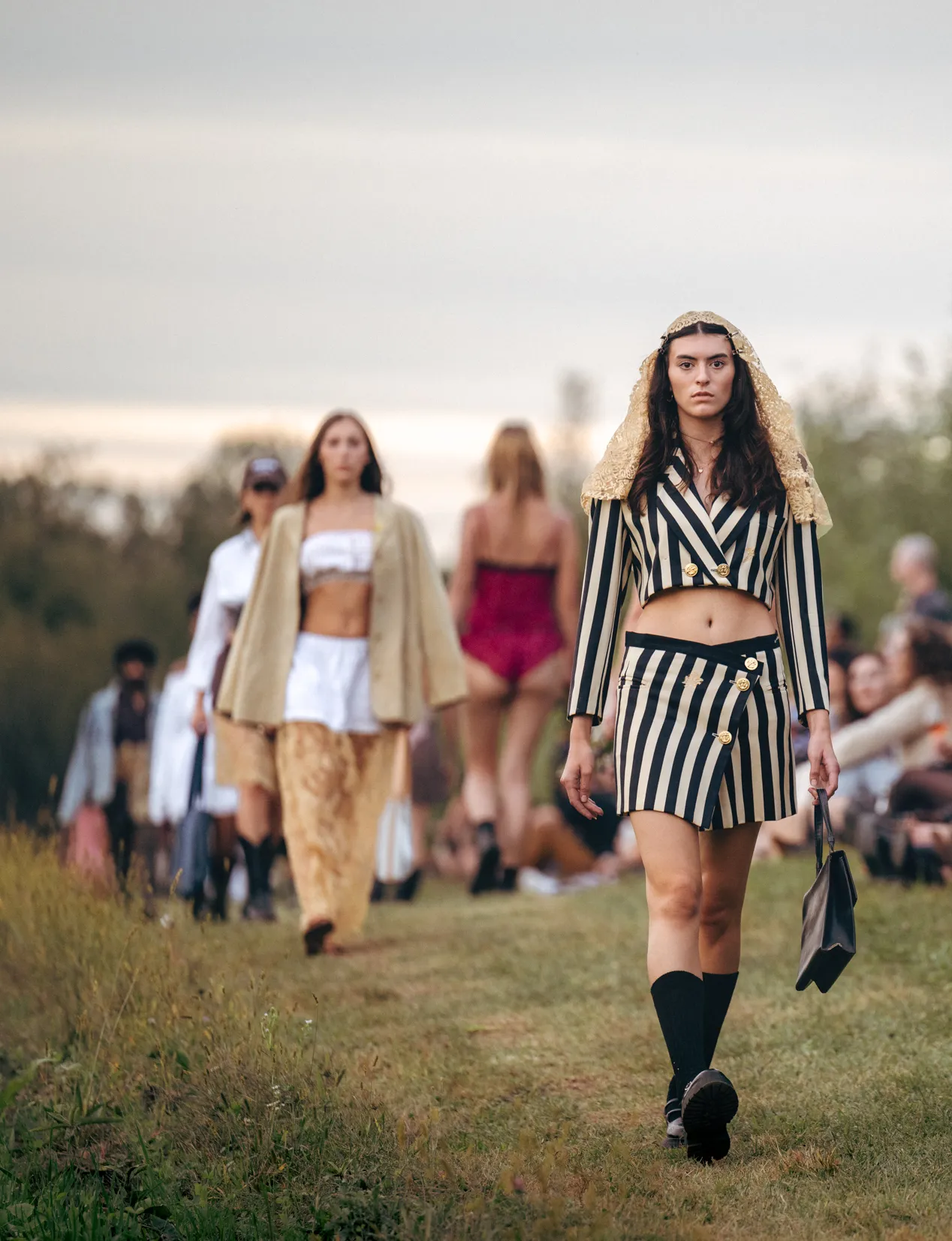
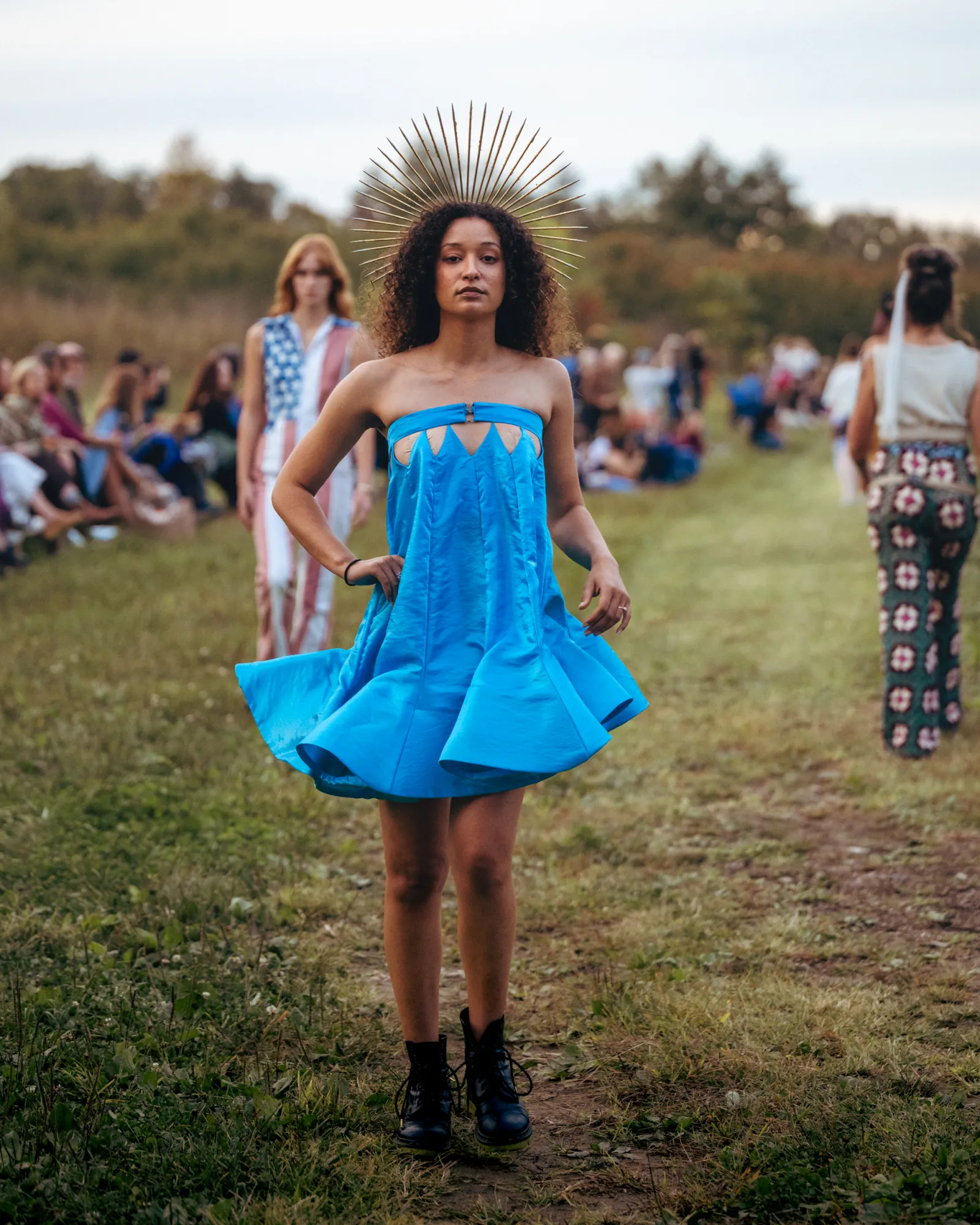
As an organizer, the show always feels like chaos, but there was a moment last year I stepped back and thought, “This is a cool hang.”
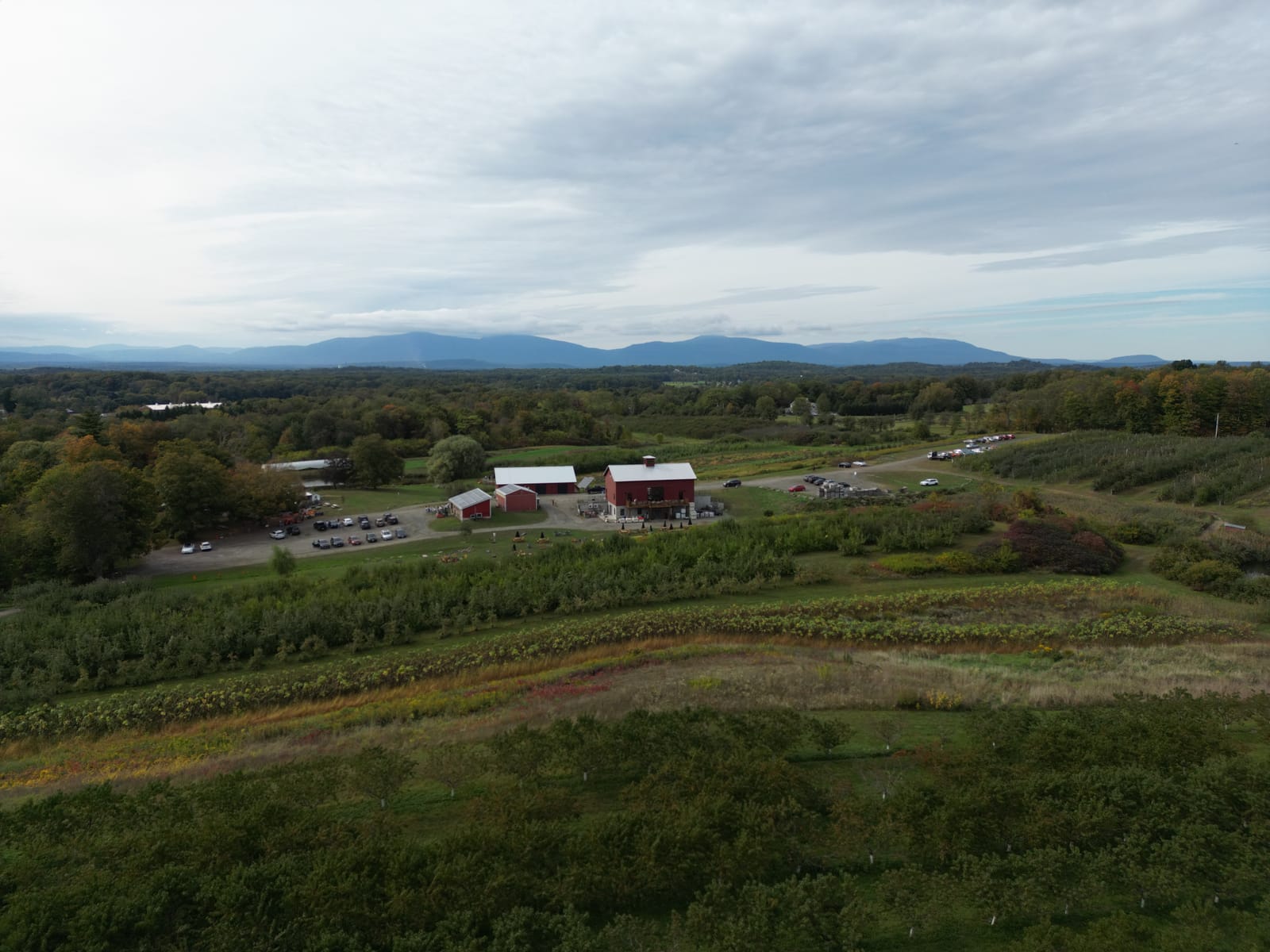
We were on a beautiful farm with incredible views. The farm had its own taproom selling cider and wine. Ginger Winn played an acoustic set.
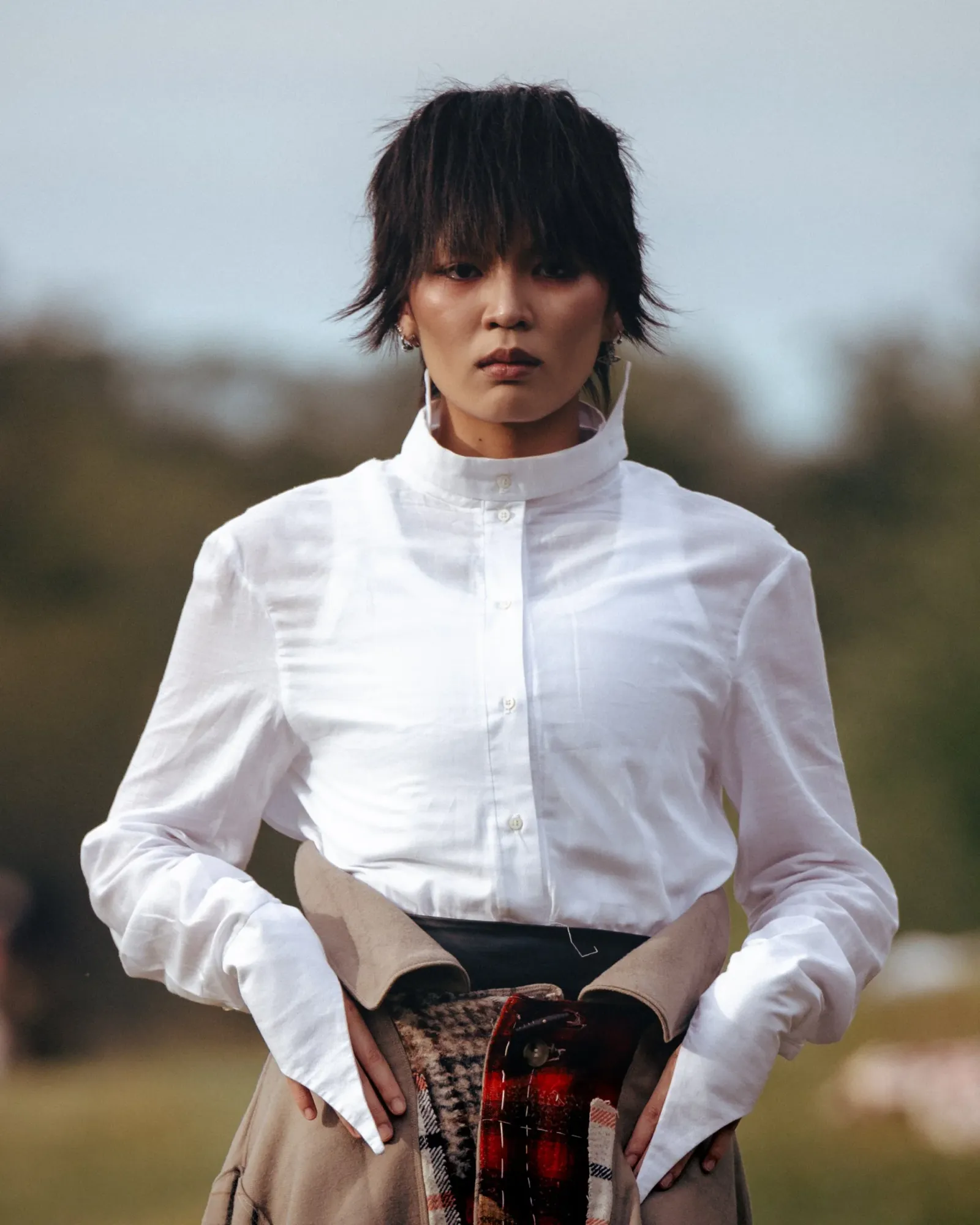
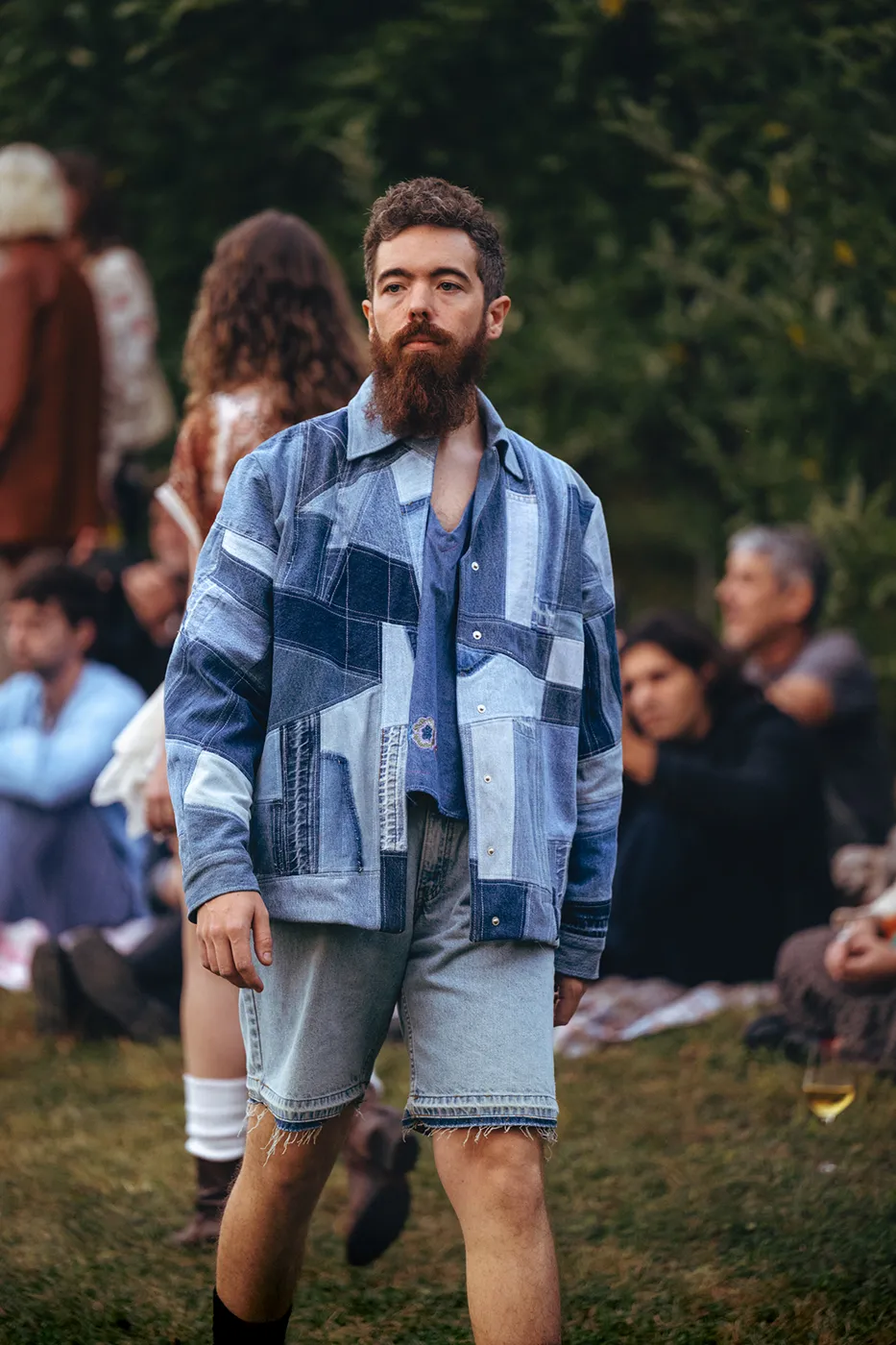
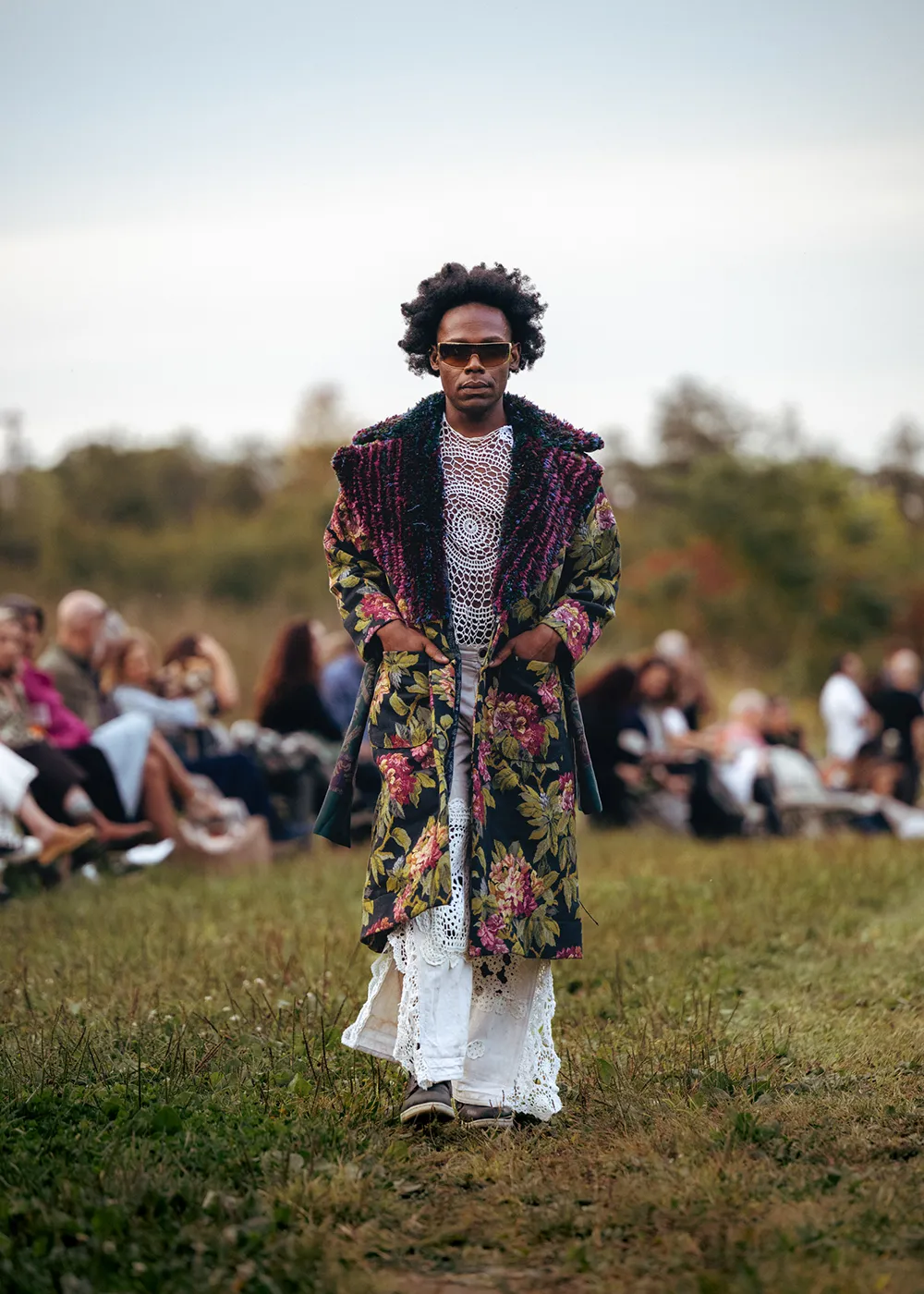
It was entrepreneurial and creative, but also grounded. Not New York City cool — Hudson Valley cool. People were stylish but still in Birkenstocks. The venue and vibe made it distinctly Hudson Valley.
What are you most looking forward to at this year’s runway show?
We’re calling it our best year yet. We gave ourselves more time, which makes a huge difference. And there's so much exciting stuff this year.
Atelier Oluwatosin is creating an art installation to show what a year of textile waste from one person looks like . We’ll have a green carpet to get attendees engaged and in the spotlight. Hudsy will be filming, and I’m excited to see the event through their eyes.
Mostly, I’m looking forward to feeling calmer and more confident, knowing we have a team supporting us.
Where do you see Sustainable Fashion Week in five years?
I’d like to see us funded well enough for Kaitlyn and Annie to hire staff. That’s the main thing.
I’d also like to see our three pillars — education, amplification, and inspiration — fully realized. The show has been strong on amplification and inspiration. Now we’re building the education piece, like with this year’s textile waste installation.
The long-term vision is for it to be a true week-long event across the region, with satellite events and smaller shows. I’d love to see it take on a life of its own, powered by more people bringing their own expertise.
What should the average consumer know when shopping for clothes?
First: you don’t need new clothes. But if you want them, be intentional. Acquire them in a circular way — thrift stores, clothing swaps, mending. If something has a stain or tear, consider fixing it instead of discarding it.
Fashion is self-expression. I understand wanting fresh colors for a new season. But ask where the clothes come from. Is it worth spending more for an upcycled piece by a local artisan, knowing it will last? That’s better than buying fast fashion where labor is unfair and quality is poor.
Circular fashion also builds community. Shopping at thrift stores or going to swaps is social in a way chain stores aren’t. That’s a bonus.
What’s the most shocking thing you’ve learned about sustainability?
That the world produces about a billion tons of textile waste every year. It’s overwhelming. We already have enough clothing to last us forever if we just reused it.
Thrift stores are so overstocked that organizations like Helpsy have to bridge the gap between what we throw away and what secondhand markets can handle. Meanwhile, much of our waste ends up dumped in the global south. Seeing images of beaches covered in our discarded clothing is devastating.
How do you approach making sustainability fashionable?
That’s the core of it — showing that sustainability isn’t “crunchy” but chic. Upcycled and thrifted clothes can be elegant and unique.
Slow fashion has stories behind it. Makers often work alone, producing small runs. That means items cost more, but they’re special. When you thrift, you’ll never find the same piece twice.
At our first show, I looked at photos of volunteers and realized their thrifted outfits looked timeless. The photos could have been from the 70s, 80s, or today. That’s the beauty of it. Sustainable fashion is creative, distinctive, and cool.
Anything else you’d like to add?
This is our second year under Sustainable Hudson Valley’s Climate Solutions Week. We’re also launching a fall education campaign to keep the conversation going. The Hudson Valley is the perfect place to grow sustainability.
Never miss a story
Hudson Valley community news, fresh stories, and the occasional heads-up — straight to your inbox.
Thanks for subscribing!